We’ve all been there. You walk into a showroom, see a beautiful shade of “Midnight Blue,” and decide that’s the one for your living room. But three weeks later, once the paint is on the walls of your apartment, it feels dark, gloomy, and—well—nothing like the brochure.
Why does this happen? Because in interior design, color isn’t just about what looks “pretty.” It’s a mix of physics, psychology, and geography.
At Design Brix, we believe that picking a color palette is the most important decision you’ll make for your home. It’s the foundation that makes your furniture look expensive (or cheap), and your rooms feel spacious (or cramped).
We’re going to break down the “science of shades” and show you how to choose a palette that makes you feel exactly how you want to feel when you walk through your front door.
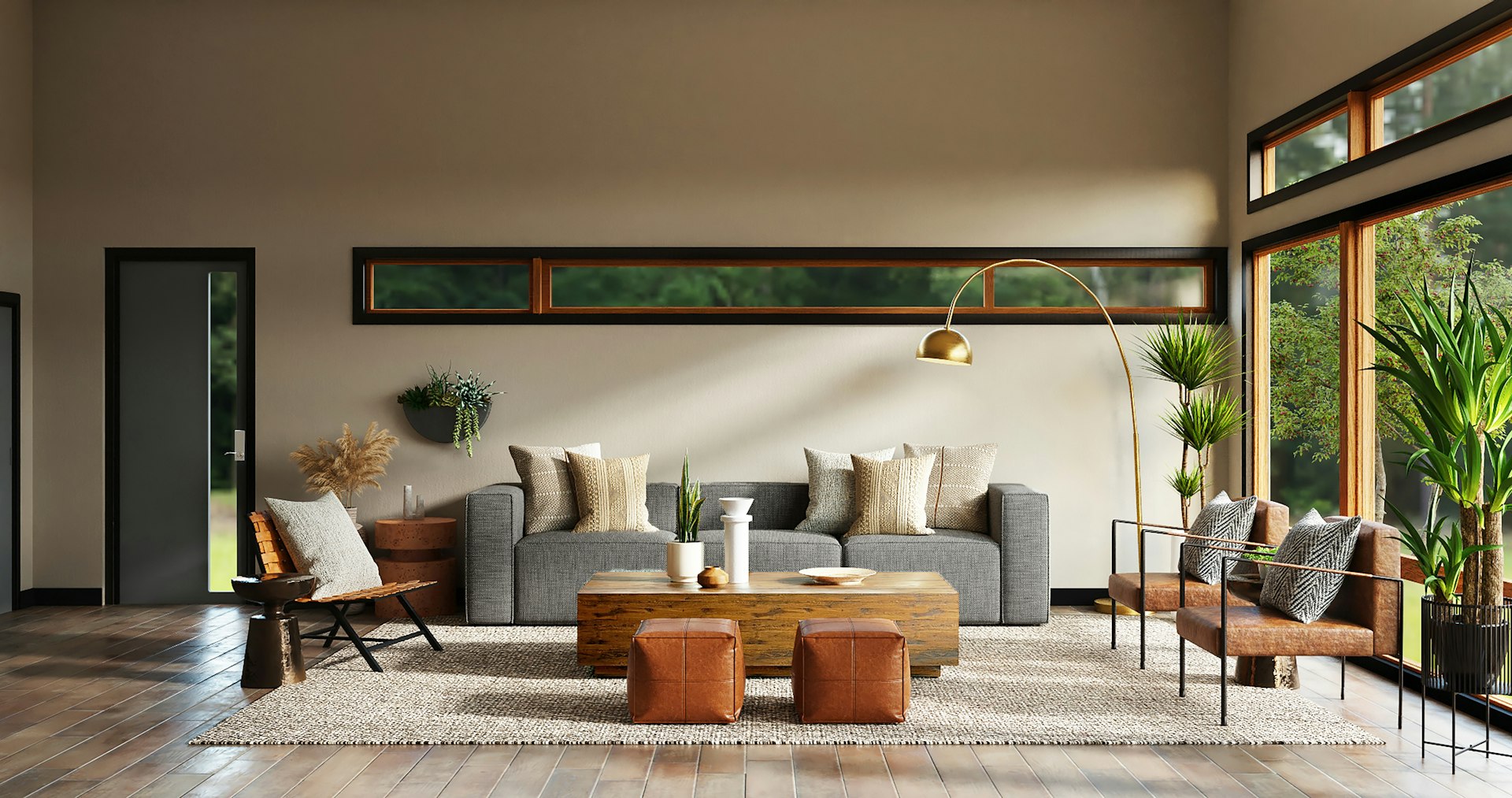
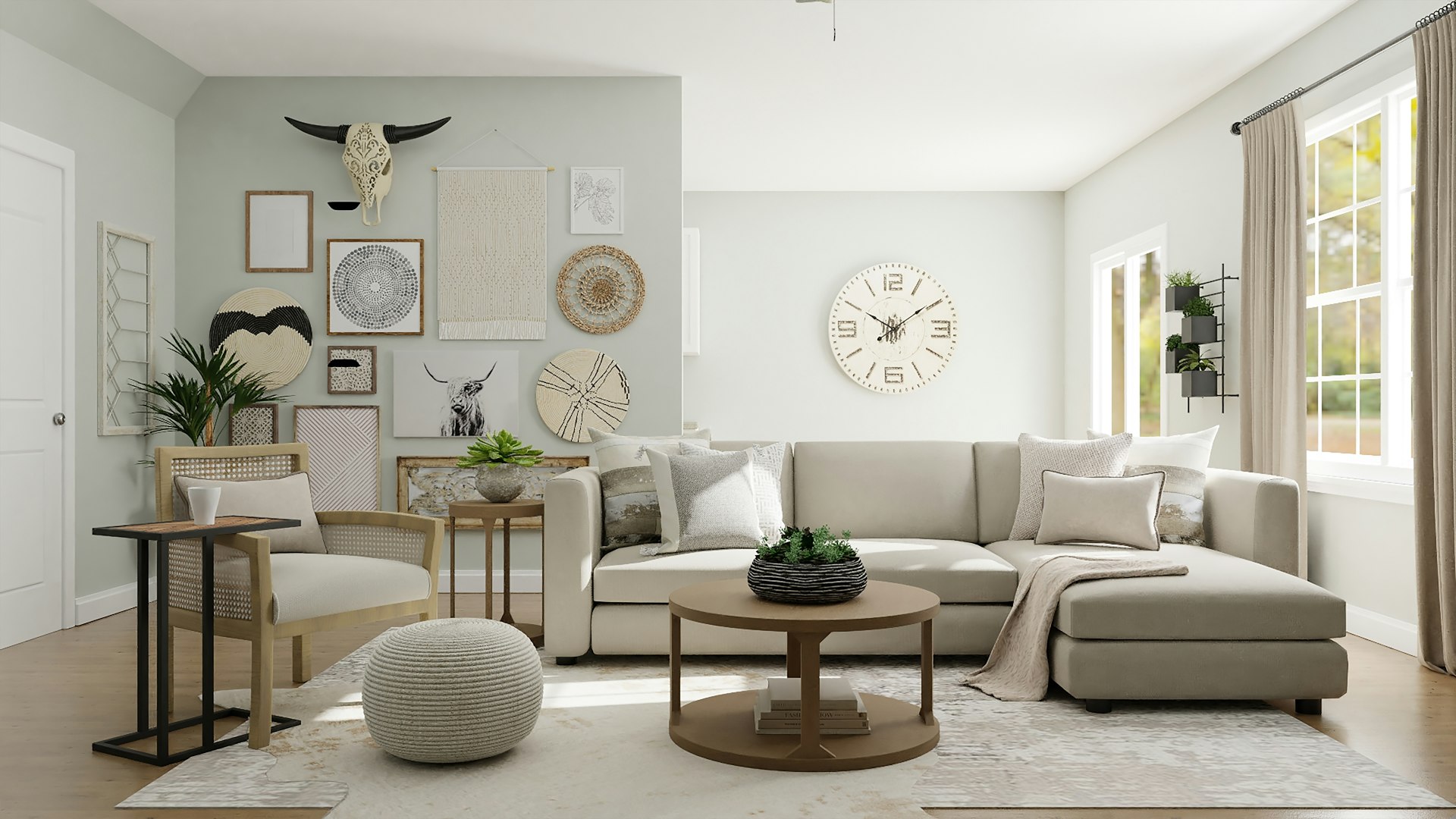
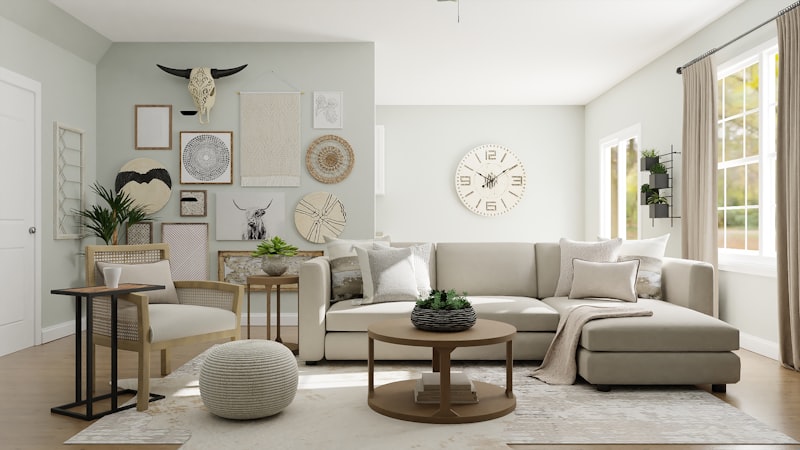
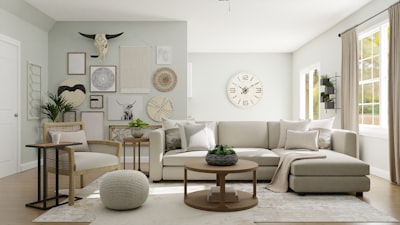
The Secret to a Perfect Color Palette: Use the 60-30-10 rule: 60% of the room should be a neutral base (walls/rugs), 30% a secondary color (furniture/curtains), and 10% an accent color (decor/art). In Bhopal’s warm climate, choose cool-toned neutrals like sage green or light grey to keep spaces feeling fresh and airy.
The Golden Rule: The 60-30-10 Formula
Before we talk about specific colors, let’s talk about balance. Many homeowners make the mistake of using too much of their favorite color, which ends up overwhelming the space. Professional designers use the 60-30-10 Rule to ensure harmony.
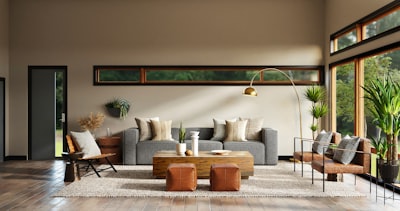
60% Primary Color: This is your "anchor." It usually goes on the walls, large area rugs, and perhaps your largest sofa. In Bhopal’s sunny climate, we often recommend light neutrals for this 60% to keep the home feeling airy.
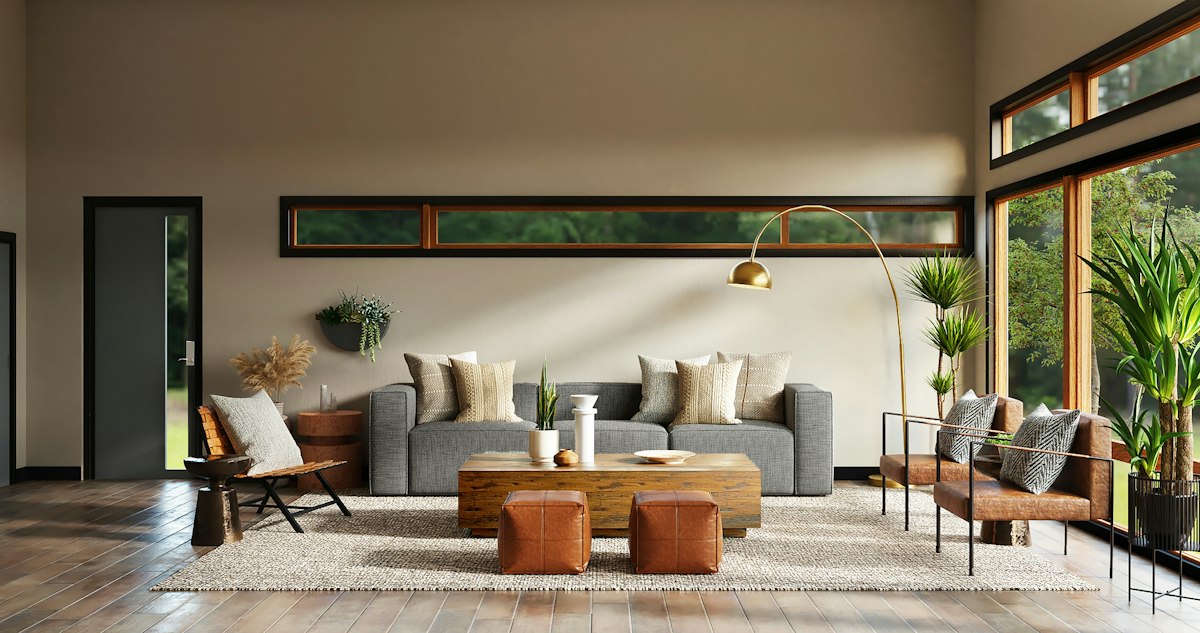
30% Secondary Color: This provides contrast. Think of your upholstery, curtains, and accent chairs. If your walls are cream, your 30% might be a soft teal or a warm wood tone.
10% Accent Color: This is your "spark." This is where you use bold colors like gold, deep red, or emerald green in your cushions, artwork, and vases.
1. The Psychology of Color: How Do You Want to Feel?
Colors aren’t just light waves; they are emotional triggers. When we design for clients in Bhopal, we always start by asking: “How do you want to feel in this room?”
The Energizers: Red, Orange, and Yellow
Warm tones are like a shot of caffeine for your home.
Red: It raises a room’s energy level. It’s perfect for dining rooms because it’s known to stimulate appetite and conversation.
Yellow: It captures the joy of sunshine. However, use it carefully in small bedrooms—too much yellow can actually cause feelings of frustration. It’s better suited for kitchens or laundry areas.
The Calmers: Blue, Green, and Lavender
If your job is stressful, these are your best friends.
Blue: It’s scientifically proven to lower blood pressure and heart rate. It’s the ultimate choice for bedrooms.
Green: Because it mimics nature, green is the most restful color for the human eye. It’s perfect for home offices where you need to focus without getting fatigued.
The Neutrals: White, Grey, and Beige
These aren’t “boring”—they are the canvas.
White: It’s all about purity and space.
Grey: It’s sophisticated and modern.
Beige: It adds a layer of warmth that white can’t provide.
2. The “Bhopal Factor”: Choosing for Our Climate
Bhopal has a unique personality. We have scorching summers and beautiful, lush monsoons. Your color palette needs to account for this.
Fighting the Heat
If your house faces West and catches the afternoon sun in May, painting the room a deep “Terracotta” or “Sunset Orange” will make the room feel physically hotter. Instead, go for Cool Neutrals. A “Dusty Aqua” or a “Cool Mint” can actually make you feel cooler when the temperature outside is 40°C.
Lighting Matters
The way a color looks in Arera Colony (where there are lots of trees and shadows) is different from how it looks in a high-rise in Hoshangabad Road (where there is direct, harsh sunlight).
North-facing rooms get cool, bluish light. They need “warm” colors (pinks, yellows) to feel cozy.
South-facing rooms get intense sunlight. They can handle “cool” colors (blues, greys) without feeling chilly.
3. Creating a Mood Board: The Design Brix Way
Don’t just buy a bucket of paint based on a small card. Create a mood board.
Start with a Base: Pick your 60% neutral.
Add Your Texture: Color looks different on velvet than it does on a flat wall. Add fabric swatches.
The “Live Test”: We always tell our clients to paint a 2ft x 2ft patch on the wall. Watch it at 10 AM, 4 PM, and 9 PM under your artificial lights. If you still love it in all three lights, it’s a winner.
“Quick Color Audit for Your Home”
[ ] Does my room have one primary “anchor” color?
[ ] Is my headboard against a solid-colored wall (for Vastu/Sleep)?
[ ] Have I tested my paint patch at 10 AM and 8 PM?
[ ] Are my accent colors (10%) consistent across the house?
How Colors Change Your Mood:
Before you pick a paint, ask yourself how you want to feel in that room:
Want to feel calm? Go for Soft Blues or Sage Greens. These mimic the sky and forest, reducing stress.
Want to feel productive? Soft Yellows stimulate the brain, while Navy Blue aids deep concentration.
Want to feel cozy? Earth tones (Ochre, Terracotta) create a “hug-like” atmosphere, perfect for family lounges.
Color & Vastu: The Bhopal Homeowner’s Secret
In Bhopal, many clients ask for Vastu-compliant palettes.
Using the right color in the right direction ensures that the “energy” or Prana of your home remains balanced. For example, using a lot of blue in a South-facing kitchen (the zone of fire) can create “clashing energy.”
Light neutrals like Off-White, Cream, and Cool Grey reflect light and make walls "recede," creating an illusion of space.
How do I choose an accent color?
Look at the opposite side of the color wheel. If your room is mostly blue (cool), a warm orange or copper accent will make it pop.
Does paint finish affect the color?
Yes! A Matte finish absorbs light (great for hiding wall flaws in older Bhopal bungalows), while a Gloss finish reflects light (great for making small 2BHKs feel brighter).
The Power of Color psychology: Interior Design
We’ve all been there. You walk into a showroom, see a beautiful shade of “Midnight Blue,” and decide that’s the one for your living room. But three weeks later, once the paint is on the walls of your apartment, it feels dark, gloomy, and—well—nothing like the brochure.
Why does this happen? Because in interior design, color isn’t just about what looks “pretty.” It’s a mix of physics, psychology, and geography.
At Design Brix, we believe that picking a color palette is the most important decision you’ll make for your home. It’s the foundation that makes your furniture look expensive (or cheap), and your rooms feel spacious (or cramped).
We’re going to break down the “science of shades” and show you how to choose a palette that makes you feel exactly how you want to feel when you walk through your front door.
The Golden Rule: The 60-30-10 Formula
1. The Psychology of Color: How Do You Want to Feel?
Colors aren’t just light waves; they are emotional triggers. When we design for clients in Bhopal, we always start by asking: “How do you want to feel in this room?”
The Energizers: Red, Orange, and Yellow
Warm tones are like a shot of caffeine for your home.
Red: It raises a room’s energy level. It’s perfect for dining rooms because it’s known to stimulate appetite and conversation.
Yellow: It captures the joy of sunshine. However, use it carefully in small bedrooms—too much yellow can actually cause feelings of frustration. It’s better suited for kitchens or laundry areas.
The Calmers: Blue, Green, and Lavender
If your job is stressful, these are your best friends.
Blue: It’s scientifically proven to lower blood pressure and heart rate. It’s the ultimate choice for bedrooms.
Green: Because it mimics nature, green is the most restful color for the human eye. It’s perfect for home offices where you need to focus without getting fatigued.
The Neutrals: White, Grey, and Beige
These aren’t “boring”—they are the canvas.
White: It’s all about purity and space.
Grey: It’s sophisticated and modern.
Beige: It adds a layer of warmth that white can’t provide.
2. The “Bhopal Factor”: Choosing for Our Climate
Bhopal has a unique personality. We have scorching summers and beautiful, lush monsoons. Your color palette needs to account for this.
Fighting the Heat
If your house faces West and catches the afternoon sun in May, painting the room a deep “Terracotta” or “Sunset Orange” will make the room feel physically hotter. Instead, go for Cool Neutrals. A “Dusty Aqua” or a “Cool Mint” can actually make you feel cooler when the temperature outside is 40°C.
Lighting Matters
The way a color looks in Arera Colony (where there are lots of trees and shadows) is different from how it looks in a high-rise in Hoshangabad Road (where there is direct, harsh sunlight).
North-facing rooms get cool, bluish light. They need “warm” colors (pinks, yellows) to feel cozy.
South-facing rooms get intense sunlight. They can handle “cool” colors (blues, greys) without feeling chilly.
3. Creating a Mood Board: The Design Brix Way
Don’t just buy a bucket of paint based on a small card. Create a mood board.
Start with a Base: Pick your 60% neutral.
Add Your Texture: Color looks different on velvet than it does on a flat wall. Add fabric swatches.
The “Live Test”: We always tell our clients to paint a 2ft x 2ft patch on the wall. Watch it at 10 AM, 4 PM, and 9 PM under your artificial lights. If you still love it in all three lights, it’s a winner.
“Quick Color Audit for Your Home”
[ ] Does my room have one primary “anchor” color?
[ ] Is my headboard against a solid-colored wall (for Vastu/Sleep)?
[ ] Have I tested my paint patch at 10 AM and 8 PM?
[ ] Are my accent colors (10%) consistent across the house?
How Colors Change Your Mood:
Before you pick a paint, ask yourself how you want to feel in that room:
Want to feel calm? Go for Soft Blues or Sage Greens. These mimic the sky and forest, reducing stress.
Want to feel productive? Soft Yellows stimulate the brain, while Navy Blue aids deep concentration.
Want to feel cozy? Earth tones (Ochre, Terracotta) create a “hug-like” atmosphere, perfect for family lounges.
For a deeper dive, read our Complete Guide to Vastu for Bedrooms.
If you’re struggling with a compact layout, check out our 2BHK Space-Saving Ideas.
Curious about costs? See our Interior Design Pricing Guide for Bhopal.
Frequently Asked Questions About Interior Colors
Which color makes a small room look bigger?
How do I choose an accent color?
Does paint finish affect the color?